Event-Driven Revenue: Turning Chapter Meetings Into Growth Opportunities

Lead & Succeed | Chapter Leader Toolkit
Technical meetings, lunches, dinners, site visits, and other chapter events already create value for members. With thoughtful planning, they can also help strengthen the chapter financially—by covering their own costs, creating appropriate sponsor opportunities, and generating resources that can be reinvested into future member programs.
The Key Idea
Revenue should support the member experience—not replace it. Build an event people genuinely value first, then structure the finances around delivering that value sustainably.
What You’ll Get From This Guide
- A simple Value → Budget → Revenue → Reinvest framework
- A practical event-budget starter
- Ways to think about registration pricing
- Ideas for creating sponsor value
- A break-even calculation chapter leaders can reuse
- A post-event financial review
Your Chapter Events Can Do More Than Cover the Calendar
Technical meetings and chapter gatherings are valuable because they bring several things together at once: education, professional relationships, local industry knowledge, chapter visibility, and member connection.
That same value can also support the chapter’s financial sustainability.
The goal is not to turn every meeting into a fundraiser. The goal is to plan events carefully enough that the chapter understands its costs, creates appropriate sources of revenue, and avoids unintentionally losing money on activities that could have supported themselves.
THE EVENT REVENUE FRAMEWORK
Value → Budget → Revenue → Reinvest
Step 1: Build Something Members Value
The financial side works much better when the program itself is strong.
Technical meetings tend to be more valuable when they offer members a clear reason to give up their time and participate.
Relevant technical content.
Choose topics that address real challenges, changes, questions, or opportunities in your local industry.
Credible speakers.
Give members access to people with useful knowledge and experience.
Professional connection.
Build in time for members to meet peers, employers, suppliers, mentors, and other professionals.
Practical takeaways.
Help attendees leave with something they can use, consider, or apply.
A clear next step.
Make it easy for attendees to stay involved with the chapter afterward.
START HERE
If members would not find the event valuable without the revenue strategy, the revenue strategy is not the first thing to fix.
Step 2: Know the Event Cost Before Setting the Price
Pricing becomes much easier when you understand what the event actually costs.
| Expense | Estimate | Notes |
|---|---|---|
| Venue | $_____ | Room, equipment, service charges, required fees |
| Food / Beverage | $_____ | Per-person cost, minimums, taxes, service charges |
| Program Costs | $_____ | Appropriate speaker, materials, equipment, or program expenses |
| Marketing / Signage | $_____ | Printing or other necessary event materials |
| Other Costs | $_____ | Any other approved expenses |
| Total Estimated Cost | $_____ | Use this as the starting point for pricing |
Calculate the Break-Even Point
SIMPLE FORMULA
Total Event Cost ÷ Expected Paid Attendance = Approximate Cost Per Attendee
EXAMPLE
Estimated event cost: $1,000
Expected paid attendees: 40
Approximate cost per attendee: $25
From there, the chapter can consider sponsorship support, registration pricing, member/nonmember pricing where appropriate, and the financial goal for the event.
BUDGET CONSERVATIVELY
Do not build the entire budget around a best-case attendance number. Use a realistic estimate based on prior chapter events, the topic, the venue, the audience, and your promotion plan.
Step 3: Set Registration Pricing Intentionally
Charging for an event is not automatically a barrier. Members often expect to pay for a professional experience that includes useful content, a meal, networking, training, or another clear benefit.
The question is whether the price makes sense for the value and the audience.
BEFORE SETTING THE PRICE, ASK
☐ What does the event cost?
☐ What value does the attendee receive?
☐ What has attendance looked like at similar events?
☐ Is sponsorship offsetting any of the cost?
☐ Is the price accessible for the members we want to reach?
☐ Does the event need to break even, create a modest surplus, or intentionally operate at a planned cost?
☐ Does the pricing approach align with current AMPP chapter guidance?
Explain the Value, Not Just the Price
INSTEAD OF
“Technical Dinner — $30”
TRY
“Join local corrosion professionals for a practical discussion on [TOPIC], ask questions directly to [SPEAKER], connect with peers, and leave with ideas you can apply in the field. Registration: $30.”
Step 4: Create Sponsor Value Around the Event
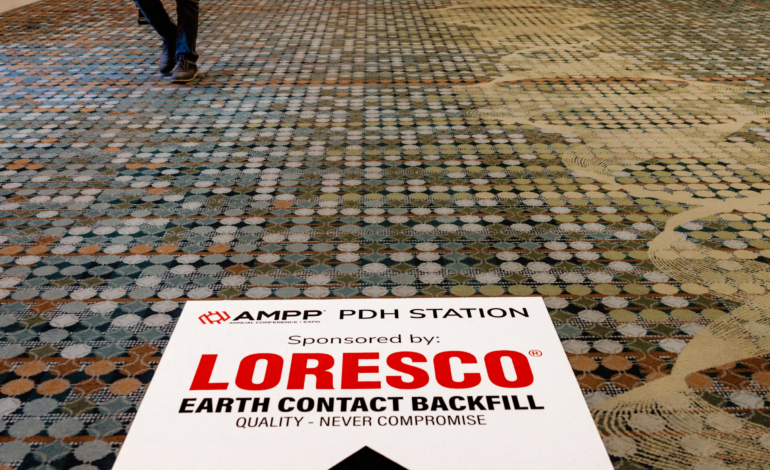
Sponsorship can help offset event costs and strengthen local industry relationships—but only when sponsors receive something meaningful and the member experience stays protected.
Good sponsor recognition should make the partnership visible without turning the technical program into a sales pitch.
| Sponsor Benefit | Example |
|---|---|
| Pre-Event Recognition | Appropriate logo or sponsor mention in promotional materials |
| On-Site Recognition | Signage, event slide, verbal thank-you, or approved display opportunity |
| Post-Event Recognition | Sponsor thank-you in an event recap or appropriate follow-up communication |
| Relationship Value | A visible connection to the professional community the chapter serves |
MEMBER EXPERIENCE FIRST
Sponsorship should help make the event possible or better. It should not overwhelm the technical content, create confusion about endorsement, or make attendees feel that the program exists primarily to sell to them.
Make Sponsorship Easy to Understand
A SIMPLE EVENT SPONSOR OFFER SHOULD EXPLAIN
The audience: Who is expected to participate?
The event: What is happening and why does it matter?
The sponsor benefit: What recognition or exposure is included?
The commitment: What does the sponsorship cost?
The next step: Who should the organization contact?
Step 5: Know the Event’s Financial Goal
Not every chapter activity needs the same financial target.
| Possible Goal | What It Means |
|---|---|
| Member Investment | The chapter intentionally subsidizes the event because the member benefit justifies the cost. |
| Break Even | Registration and sponsorship are structured to approximately cover event costs. |
| Modest Surplus | The event is structured to generate appropriate funds that can support future chapter activity. |
NOT EVERY EVENT NEEDS TO MAKE MONEY
A chapter may decide that a student event, volunteer gathering, outreach activity, or other member-focused program is worth funding intentionally. The important thing is that the financial outcome is planned—not a surprise.
Small Event Surpluses Can Add Up
A chapter does not need one enormous fundraiser to strengthen its finances.
Several well-run events that each contribute a modest amount can create a meaningful resource over time.
SIMPLE ANNUAL EXAMPLE
Four events
40 paid attendees per event × $15 = $2,400 annual registration revenue
Total annual event expenses: $1,600
Illustrative annual surplus: $800 before any additional sponsor support
The exact numbers will vary by chapter, location, venue, audience, and program. The point is not the amount—it is the discipline of understanding the financial outcome.
Step 6: Connect Revenue Back to Chapter Impact
Revenue becomes much more meaningful when leaders can explain what it makes possible.
Subject to current AMPP financial guidance and the chapter’s approved plans, resources may help support areas such as:
- Future member programs
- Professional development opportunities
- Student or emerging-professional participation
- Scholarships or other approved member support
- Chapter communications and operations
- Future events or education
- Other mission-aligned chapter priorities
TELL THE IMPACT STORY
Instead of saying only, “The event made $800,” explain what that resource helped the chapter do next.
Marketing Directly Affects the Financial Outcome
Even a well-designed event budget can fail if too few people know about the program—or if the promotion never explains why it is worth attending.
Strong promotion supports revenue by improving the chances that the chapter reaches its attendance target.
| Weak Promotion | Stronger Promotion |
|---|---|
| “Join us for our monthly meeting.” | Explain the problem, takeaway, speaker, and reason the topic matters. |
| One announcement | A planned sequence of announcement, value message, reminder, and final call |
| Only social media | Email, social, partners, and appropriate personal outreach |
| “Register now” repeatedly | Different reasons to attend across the campaign |
ASSIGN A PROMOTIONS OWNER
Give one volunteer responsibility for making sure the event promotion plan actually happens. “The committee will promote it” is usually less effective than one person owning the timeline and coordinating the pieces.
Step 7: Review the Event Financially Afterward
A simple post-event review helps the next event get better.
POST-EVENT FINANCIAL REVIEW
Attendance: _____
Registration revenue: $_____
Sponsorship revenue: $_____
Total revenue: $_____
Total expenses: $_____
Financial result: $_____
Did attendance meet expectations? _____
What cost was higher or lower than expected? _____
What would we change next time? _____
Was the member experience strong enough to repeat? _____
DON’T JUDGE THE EVENT BY REVENUE ALONE
Also consider member feedback, attendance, repeat participation, new-member engagement, sponsor satisfaction, volunteer workload, and whether the program advanced the chapter’s purpose.
Use Current Financial Guidance
Registration structures, sponsorship benefits, expenditures, education-related activities, and other revenue ideas should be consistent with current AMPP guidance and applicable requirements.
If your chapter wants to try a new type of revenue activity and you are unsure whether it is appropriate, confirm before launching it.
YOUR 30-SECOND EVENT REVENUE CHECK
Before You Launch the Event:
- Is the member value clear?
- Do we know the total estimated cost?
- Do we know our realistic attendance target?
- Have we calculated the break-even point?
- Is the registration price intentional?
- Do sponsors receive clear, appropriate value?
- Do we know the event’s financial goal?
- Does the plan align with current AMPP financial guidance?
- Who owns the promotion plan?
- Who will review the financial result afterward?
QUICK WIN
Run the Numbers on Your Next Event
Before the next venue or catering commitment is made, calculate:
Estimated cost + realistic attendance + expected registration revenue + expected sponsor support. Even a simple calculation can reveal whether the event is financially structured the way the chapter intended.
What to Take Away From This
Chapter events can create professional value and support financial sustainability at the same time.
Start with an event members actually want. Understand the cost, set pricing intentionally, create appropriate sponsor value, promote early, review the result, and connect any surplus back to the chapter’s mission. Sustainable revenue is not about charging more—it is about planning better.
Chapter Finance Resource
Review the Chapter Finances & Operations Kit
Before developing new revenue approaches or making financial commitments, review the
Chapter Finances & Operations Kit
for current chapter financial guidance.
AMPP CAN HELP
Planning an Event With a Revenue Goal?
If your chapter needs help understanding financial guidance, planning an event, structuring sponsor opportunities, or deciding how to approach a new revenue idea, reach out to the AMPP Chapter Support Team.
Email
chapters@ampp.org
.
We’re here to help.
What Are You Working On?
Explore more Lead & Succeed resources based on what your chapter needs right now.
Get More Chapter Leadership Resources
Subscribe to Lead & Succeed for practical ideas, templates, and resources designed to make chapter leadership easier.
We’re here to help you grow and strengthen your chapter.
If there’s a topic you’d like us to cover, let us know—we’re always looking for ways to better support AMPP chapter leaders.
.gif)